
Blog
Why Are Skechers Hated? The Real Reasons Behind the Reputation
If you’ve ever wondered “why are Skechers hated”, the answer is more cultural than you might expect. Skechers face criticism over fashion, design, quality, and foot support, yet their comfort, affordable pricing, and enormous mainstream popularity tell a very different story.
Why Do Some People Hate Skechers?
The biggest reason behind the mixed Skechers reputation is the gap between ordinary consumers and sneakerhead culture. Sneaker culture values exclusivity and style, whereas Skechers prioritizes practical comfort.
In some enthusiast communities, that difference translates into low fashion status rather than an objective assessment of whether the shoes work.
Why Are Skechers Hated by Sneakerheads?
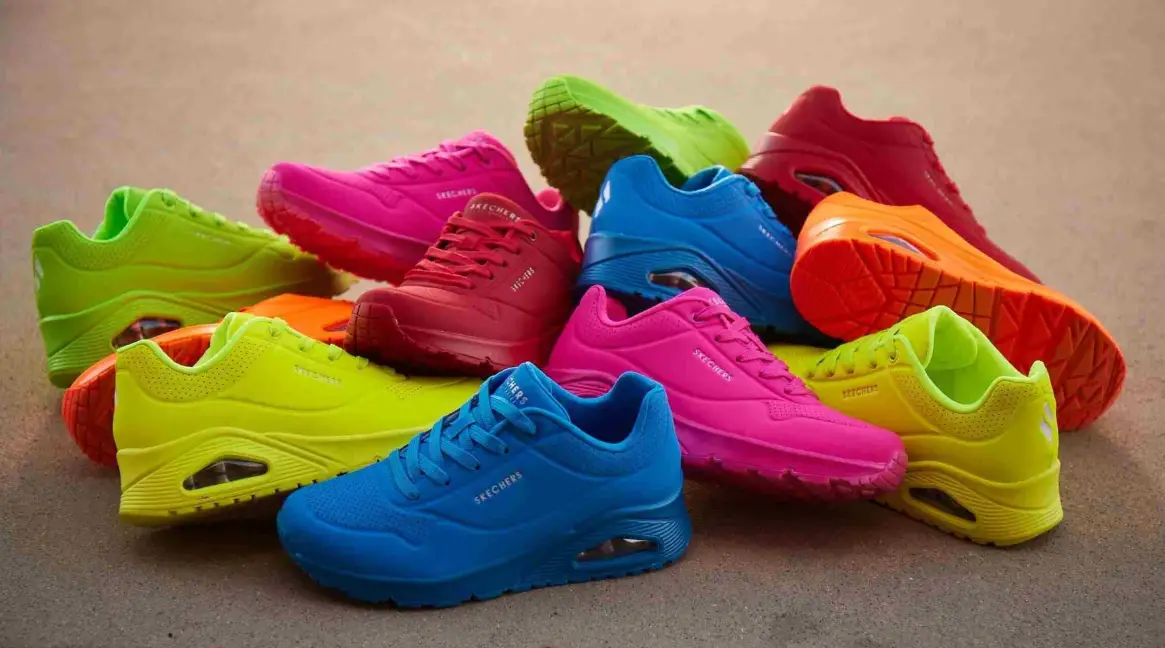
Some users repeatedly describe Skechers’ design as unfashionable, conservative, derivative, or aimed at older customers. Some consumers therefore perceive Skechers as unfashionable even when they acknowledge that the shoes are comfortable.
The older customer image further affects fashion perception, especially when products such as Skechers Slip-ins are associated with easy everyday wear.
Design-similarity accusations have also affected brand reputation. Skechers has faced intellectual-property litigation from companies including Nike, although allegations in lawsuits should not be treated as proof that the brand simply “copies” competitors.
Skechers competes with Nike and Adidas, while commenters increasingly compare some modern performance silhouettes with Hoka and On.
Why Are Skechers Hated Despite Being Comfortable?
Here’s the irony: Skechers’ comfort is exactly why many people love them. Soft cushioning creates immediate comfort, wide footwear accommodates broader feet, and flexible mesh uppers adapt to different foot shapes. A Skechers wide fit can also create more room for the toes.
Comfort-conscious shoppers value Skechers because affordable sneakers broaden consumer appeal. A report said that there was nearly $9 billion in global sales for 2025, which strongly contradicts the idea of universal rejection. Skechers’ market is far larger than the sneaker forums where much of the criticism appears.
Fashion Image, Design, and the “Older Person” Reputation
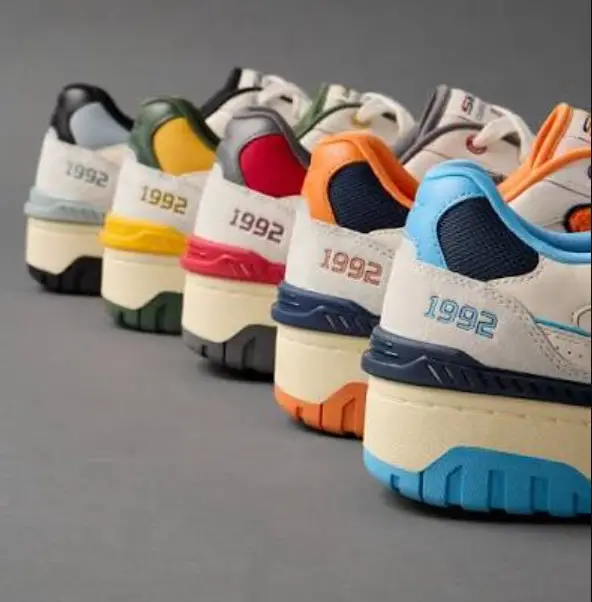
Skechers does not traditionally rely on scarcity, collectible releases, or the same prestige hierarchy that surrounds some Jordans and limited-edition sneakers. That practical comfort-first footwear strategy appeals to mainstream buyers but may provide less status inside fashion-driven communities.
Some people also criticize the brand for limited design innovation, while some discussions contain similar complaints about conservative styling.
Yet personal preference shapes fashion judgment: other users on the same discussion describe modern Skechers as attractive and considerably more comfortable than fashionable alternatives.
Are Skechers Really Low Quality?
Skechers quality is difficult to summarize with one verdict because experiences vary sharply by model and wearer.
Some users complain about rapidly flattened insoles, outsole wear, and cheap-feeling construction, but others report owning pairs for years. These inconsistent anecdotes create quality concerns without demonstrating that every Skechers shoe has poor durability.
Memory Foam and Long-Term Cushioning
Skechers memory foam is another source of disagreement.
Some agree that the material is low-density polyurethane and argue that the foam can compress over time, potentially reducing its supportive feel. In other words, memory foam cushioning can feel wonderful initially, but cushioning does not guarantee stability.
This distinction matters. A soft flexible sole allows greater foot movement, while a more stable heel structure controls rearfoot motion. If you mainly want softness for casual walking, that flexibility may feel great; if you require stronger biomechanical control, it may not.
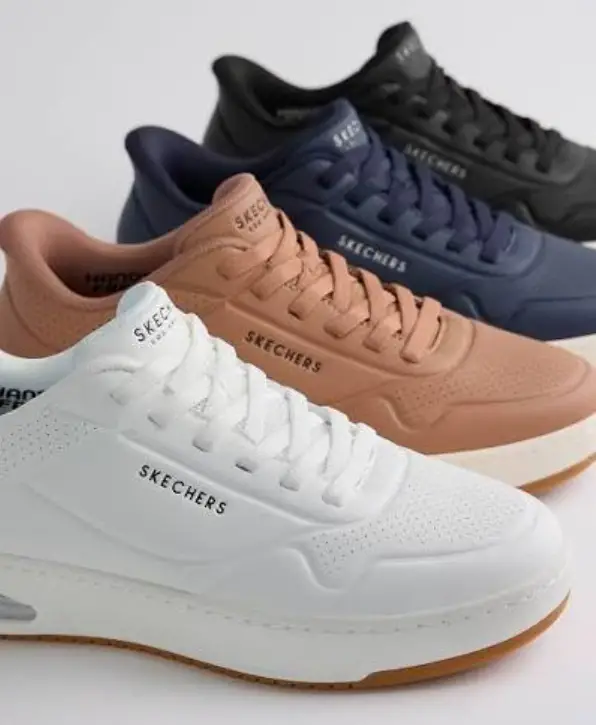
Are Skechers Bad for Your Feet?
Claims that all Skechers are unhealthy go too far. Support needs vary with foot biomechanics, so the correct shoe selection improves wearer satisfaction.
Some flexible Skechers provide minimal heel stability and limited midsole stability. Heel stability supports rearfoot control, while midsole stability can affect overpronation control. For someone who needs strong Skechers foot support, a soft shoe may therefore be less suitable than a more structured model.
That doesn’t mean soft shoes automatically cause foot pain or problems with the plantar fascia. It means comfort and biomechanical support are different characteristics, and individual shoe models must be matched to your feet and activity.
Why Skechers Are Still So Popular
The same features criticized by sneaker enthusiasts explain much of Skechers popularity. Lightweight construction, cushioning, flexible mesh, wide sizing, easy-entry designs, and competitive prices make the shoes accessible to people who simply want comfortable everyday walking shoes.
So we have two very different markets looking at the same product. Sneakerheads may prioritize brand prestige and fashion, while everyday buyers prioritize cushioning, price, easy wear, and comfort.
FAQ
1. Why are Skechers considered uncool?
Some sneaker enthusiasts associate Skechers with practical footwear, older consumers, conservative designs, and lower fashion prestige. This is primarily a cultural perception rather than proof that the shoes perform poorly.
2. Are Skechers actually poor-quality shoes?
Not universally. Some users report premature wear, while others describe long-lasting pairs. Product durability depends on the model, materials, activity, walking pattern, and frequency of use.
3. Can Skechers cause foot pain?
A shoe that does not match your biomechanics can contribute to discomfort. Some podiatrists specifically caution against very soft, flexible Skechers for people needing stronger structural control, but that should not be generalized to every Skechers model or wearer.
4. Why do older people like Skechers?
Comfort, wide fits, light weight, easy-entry designs, and cushioning make many Skechers appealing to older consumers. Online discussions particularly associate Slip-ins with this market, although the shoes are obviously not restricted to any age group.
5. Are Skechers worth buying?
They can be if the model fits your feet and intended use.
Skechers’ comfort, affordability, and practical design remain major strengths, while people requiring firmer stability should evaluate the heel, midsole, and arch structure rather than buying on softness alone.
Closing Words
So, why are Skechers hated? Mostly because sneaker culture and mainstream shoe buyers value different things. If comfort, affordability, and practical walking matter more to you than sneaker prestige, try the specific model yourself — and judge the shoe on fit rather than reputation.