
Blog
Gravity Defyer vs Hoka: Which Shoe Is Better for Your Feet?
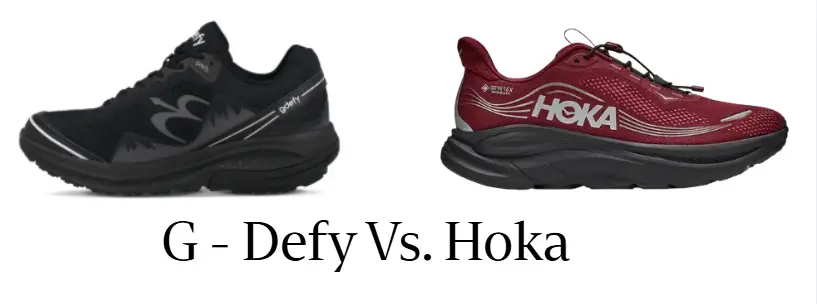
Choosing between Gravity Defyer vs Hoka comes down to more than cushioning. Gravity Defyer leans toward structured support and orthotics, while HOKA focuses heavily on a smooth, foam-cushioned ride.
Let’s compare comfort, stability, walking, running, and foot-support needs.
Gravity Defyer vs Hoka: Which One Should You Choose?
Both brands make maximalist shoes, so thick cushioning characterizes their basic design. However, they feel and function differently.
Gravity Defyer is especially compelling if you want arch support, orthotic flexibility, shock management, and all-day standing shoes, while HOKA has a strong advantage for people seeking established running shoes with plush cushioning.
Gravity Defyer uses VersoShock technology to manage impact and return energy. Its Mighty Walk combines cushioning and structured support, while a lateral stabilizer supports gait. HOKA instead builds models such as Bondi and Clifton around EVA-based cushioning, MetaRocker geometry, and Active Foot Frame technology.
Gravity Defyer vs Hoka for Walking and Standing All Day
For daily walking and prolonged standing, Mighty Walk has several practical advantages. It uses breathable mesh for ventilation, a roomy toe box that provides additional forefoot room, and removable insoles that accommodate a custom orthotic. Gravity Defyer also includes Corrective Fit Orthotics for adjustable foot support.
Its Front Rolling Design encourages a smoother heel-to-toe transition, while VersoShock focuses on shock absorption and energy return. Those features make Gravity Defyer particularly relevant when daily walking demands lasting walking comfort or prolonged standing increases footwear demands.
HOKA Bondi 9 takes a softer route. It provides plush cushioning through super critically foamed EVA foam, carries a 5 mm heel-to-toe drop, and uses Smooth MetaRocker to promote smoother rollover. Its rearfoot-focused Active Foot Frame improves foot containment by cradling the foot within the platform.
Gravity Defyer vs Hoka for Running

For dedicated road running, we’d generally lean toward HOKA. Bondi 9 works for everyday running and walking, while Clifton 11 is a lighter daily trainer with compression-molded EVA and an 8 mm drop. Both are neutral rather than traditional corrective stability shoes.
Gravity Defyer also sells running footwear, but Mighty Walk’s primary use is walking and prolonged standing. HOKA therefore offers the clearer path if running performance is your main goal.
Cushioning, Arch Support, and Stability Feel Very Different
The biggest difference is what happens under your foot. HOKA lets the midsole itself do much of the work: cushioning absorbs step impact, EVA forms the cushioning platform, MetaRocker guides foot transition, and Active Foot Frame cradles the foot.
Gravity Defyer puts more emphasis on alignment and mechanical support. VersoShock manages impact, orthotics modify foot support, and removable insoles make custom setups easier. Its wide toe area also gives the forefoot more space.
That difference matters because proper fit affects comfort and stability. Cushioned walking shoes can feel wonderful, yet more softness is not automatically better for every foot.
Which Is Better for Plantar Fasciitis and Flat Feet?
Both brands frequently appear in conversations about plantar fasciitis shoes. A podiatrist-written source describes HOKA and Gravity Defyer as maximalist footwear and notes that extra-thick cushioning can reduce underfoot pressure. It also stresses that individual medical needs still matter.
If you have flat feet, appropriate support may be useful, especially when pain or overpronation is involved. Gravity Defyer may appeal more if you want orthotic insoles, adjustable arch support, or removable inserts. HOKA may suit you better if your priority is a highly cushioned platform and smooth forward roll.
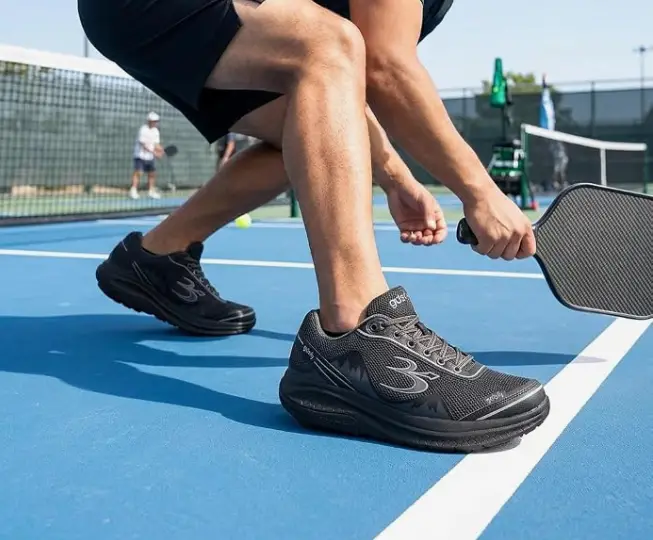
Real users show why there is no universal winner. Some users report success with HOKA Bondi or Clifton, while others prefer G-Defy Mighty Walk for their own plantar fasciitis experience. Plantar fasciitis affects footwear preference differently, and Reddit users report varied experiences.
A podiatrist or fitter can also assess your arch, heel, ankle, knee, and walking gait. Podiatrist advice emphasizes individual needs because foot shape influences shoe choice.
Gravity Defyer vs Hoka Pros and Cons
Gravity Defyer
- Pros: strong orthotic compatibility, roomy toe box, VersoShock shock management, removable insoles, gait support, and a strong walking/standing focus.
- Cons: less running-focused than HOKA’s core lineup, and its structured feel may not suit someone who simply wants soft cushioning.
HOKA
- Pros: excellent maximal cushioning, proven walking and running options, smooth MetaRocker transitions, several ride choices, and strong everyday versatility.
- Cons: neutral models may not provide enough corrective structure for every wearer, while the thick sole can feel unusual if you prefer a lower platform.
FAQ
1. Is Gravity Defyer better than Hoka for plantar fasciitis?
Not universally. Gravity Defyer may be appealing when removable orthotics, additional arch support, and structured gait support are priorities. HOKA may suit people who respond better to maximal cushioning and a smooth rocker ride.
Neither brand should be viewed as a cure for plantar fasciitis. Individual symptoms and biomechanics matter.
2. Are Gravity Defyer shoes more supportive than Hoka?
Mighty Walk offers more obvious adjustable support features, including removable insoles and included Corrective Fit Orthotics. HOKA Bondi instead uses Active Foot Frame geometry and a neutral cushioned platform.
So Gravity Defyer may feel more structured, but the shoe that feels more stable to you depends on your foot shape.
3. Is Hoka Bondi better than Gravity Defyer Mighty Walk?
Choose Bondi if plush cushioning and a versatile walking-running platform are your priorities. Choose Mighty Walk if you care more about orthotic customization, forefoot room, walking, and long hours on your feet.
4. Which is better for standing all day?
Gravity Defyer has a slight edge for this specific purpose because Mighty Walk is explicitly built around walking and prolonged standing. HOKA Bondi remains a strong alternative if you prefer a soft, highly cushioned ride.
5. Can I use custom orthotics with Gravity Defyer or Hoka?
Gravity Defyer explicitly designs Mighty Walk with removable insoles that can accommodate custom orthotics. With HOKA, compatibility can depend on the model, orthotic thickness, available shoe volume, and your fit.
Closing words
In Gravity Defyer vs Hoka, choose Gravity Defyer for adjustable support and walking-focused comfort; choose HOKA for plush cushioning and stronger running versatility. Whenever possible, try both on — then tell us which one your feet prefer.